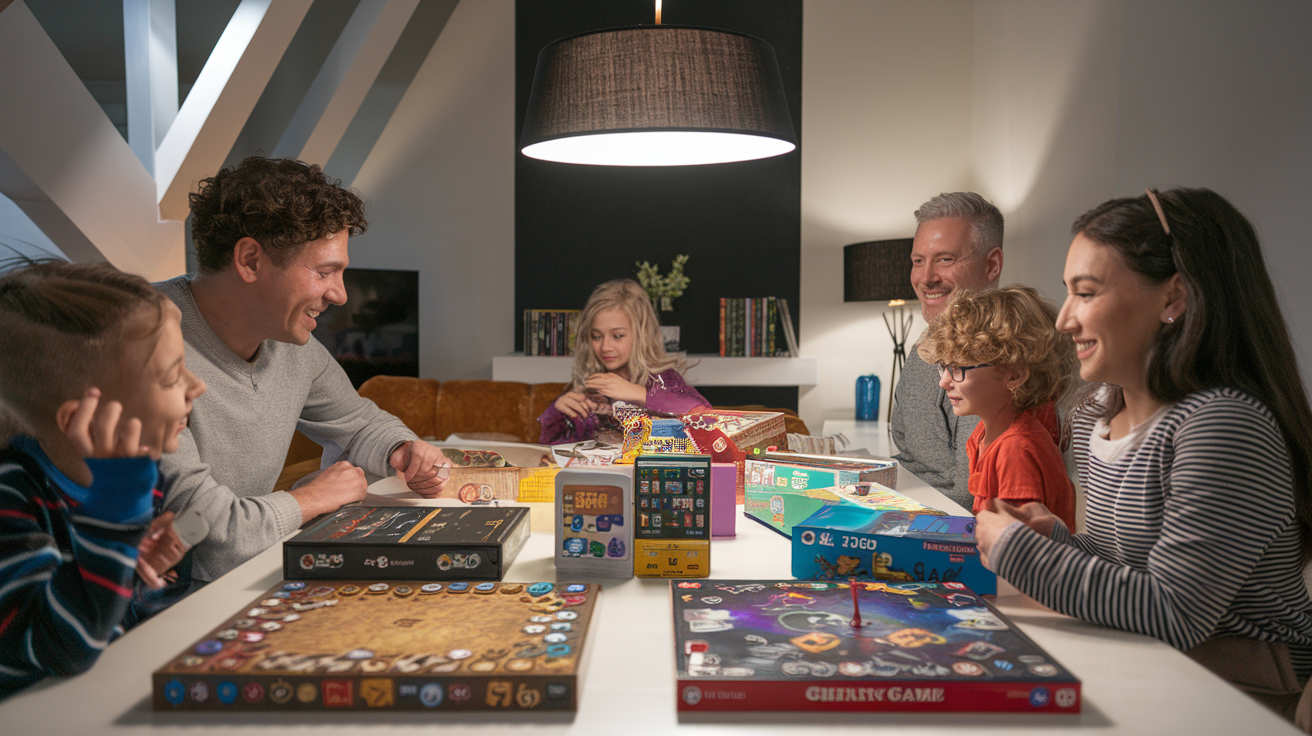
Screen fatigue is real, and families across the country are rediscovering the joy of gathering around a table for good old-fashioned board game nights. While digital entertainment continues to dominate leisure time, there’s something irreplaceable about the tactile experience of moving pieces, drawing cards, and engaging in face-to-face competition that no video game can quite replicate.
The board game industry has experienced remarkable growth over the past few years, with sales surging as households seek meaningful ways to connect. From classic strategy games that have stood the test of time to innovative new releases that push creative boundaries, the options available today cater to every age group and interest level. Whether someone is looking for cooperative adventures, competitive showdowns, or light-hearted party games, 2025 offers an impressive selection worth exploring.
Why Board Games Matter More Than Ever
Beyond mere entertainment, board games offer significant developmental and social benefits that researchers continue to document. Children develop critical thinking skills, learn to follow rules, practice patience, and build emotional resilience through winning and losing. Adults benefit from the cognitive challenge and the opportunity to unplug from constant digital notifications.
Game nights also create lasting family traditions and memories. Unlike passive screen time, board games require active participation and communication. Players must read social cues, negotiate, strategize, and collaborate—skills that translate directly to real-world situations. Psychologists note that families who regularly play games together report stronger bonds and better communication patterns.
Gateway Games for Beginners
For families new to modern board gaming, starting with accessible titles prevents frustration and builds enthusiasm. Gateway games feature straightforward rules, quick setup times, and engaging gameplay that hooks players immediately without overwhelming them with complexity.
Building and Exploration Games
Territory-building games like Catan have introduced millions to strategic resource management. Players collect materials, construct settlements, and negotiate trades with opponents. The variable board setup ensures no two games play identically, maintaining freshness across dozens of sessions. The core mechanics are simple enough for children around ten years old to grasp, yet the strategic depth keeps adults engaged and coming back for more.
Journey-based games such as Ticket to Ride offer a different appeal. Players collect colored train cards to claim railway routes connecting cities across various maps. The satisfaction of completing long routes and blocking opponents creates tension without aggression. Multiple map editions—from North America to Europe to Asia—provide variety for families who exhaust the base game.
Word and Party Games
Communication games like Codenames have revolutionized party gaming by accommodating larger groups while remaining intellectually stimulating. Teams compete to identify their agents using single-word clues, creating moments of brilliant connection and hilarious misunderstanding. The simple premise masks surprising depth, and rounds play quickly enough to encourage immediate rematches.
These lighter options work perfectly for mixed-age gatherings or when energy levels run low. They require minimal setup, explain in minutes, and generate plenty of laughter—the ultimate measure of a successful game night.
Stepping Up the Challenge
Once families develop comfort with basic mechanics, intermediate games introduce additional layers of strategy and decision-making. These titles typically feature multiple paths to victory, encouraging players to develop personalized approaches rather than following obvious optimal strategies.
Worker Placement and Resource Management
Games in this category require players to carefully allocate limited actions each turn. Agricola and Stone Age exemplify this genre, tasking players with building farms or developing civilizations through strategic resource gathering. The puzzle-like quality appeals to analytical thinkers who enjoy optimizing their turns and planning several moves ahead.
These games generally run longer—sixty to ninety minutes—and demand more focus than gateway titles. However, the increased complexity rewards investment with deeper satisfaction. Families often find these become weekend staples, saved for occasions when everyone can commit full attention.
Deck-Building Adventures
Dominion pioneered the deck-building genre, where players start with identical basic cards and gradually purchase better ones throughout the game. Each decision shapes the efficiency of future turns, creating an addictive improvement loop. The modular nature allows endless combinations of available cards, ensuring tremendous replayability.
Subsequent deck-builders have added thematic elements to the core mechanism. Families might battle monsters, explore dungeons, or manage medieval estates—all using fundamentally similar systems with unique twists that cater to different preferences.
Cooperative Games for Team Players
Not every family thrives on competition. Cooperative games unite players against the game itself, fostering collaboration rather than rivalry. These work exceptionally well for households with competitive children who struggle with losing or families who simply prefer working together toward common goals.
Pandemic remains the gold standard for cooperative gaming. Players take roles as disease control specialists racing to cure global outbreaks before humanity succumbs. The escalating difficulty and multiple ways to lose create genuine tension, while the shared victory or defeat eliminates sore losers. Expansions add new challenges and roles for families who master the base game.
Forbidden Island and Forbidden Desert offer similar cooperative experiences with lighter rules and shorter play times. These work particularly well as introductions to the cooperative genre or for younger players still developing strategic thinking skills.
Quick Fillers and Travel Games
Not every gaming session allows for hour-long commitments. Quick-playing games fill gaps between activities or serve as warm-ups before longer titles. Their compact sizes also make them ideal for vacations, restaurant waits, or visits to relatives.
Love Letter packs surprising depth into just sixteen cards. Players attempt to deliver their love letter to the princess by eliminating opponents through deduction and calculated risks. Rounds last only minutes, encouraging multiple plays in quick succession.
Sushi Go! introduces card drafting mechanics through adorable artwork and accessible gameplay. Players select cards from their hands before passing the remainder to neighbors, balancing immediate points against long-term strategy. The party edition accommodates larger groups and adds variety through rotating menu options.
Making Game Night a Success
Owning great games represents just the first step. Successful game nights require some planning and consideration. Setting a regular schedule helps establish the tradition—whether weekly Friday evenings or monthly Sunday afternoons. Consistency builds anticipation and ensures everyone reserves time.
Rotating who chooses the game prevents dominance by any single family member and exposes everyone to different styles. Snacks and comfortable seating enhance the experience, while minimizing distractions like phones maintains focus and engagement.
Most importantly, families should remember that the goal is connection and enjoyment rather than winning at all costs. Encouraging good sportsmanship and celebrating clever plays—even from opponents—creates positive associations that keep everyone returning to the table.
Looking Forward
The board game renaissance shows no signs of slowing. Publishers continue releasing innovative designs that push boundaries while maintaining accessibility. Crowdfunding platforms have democratized game creation, allowing passionate designers to bring niche concepts to market without traditional publishing barriers.
As families increasingly recognize the value of unplugged entertainment, board games occupy an important space in home life. They offer something screens cannot—genuine human connection, shared laughter, and memories built through friendly competition and collaboration. In an increasingly digital world, that analog experience becomes more precious with each passing year.