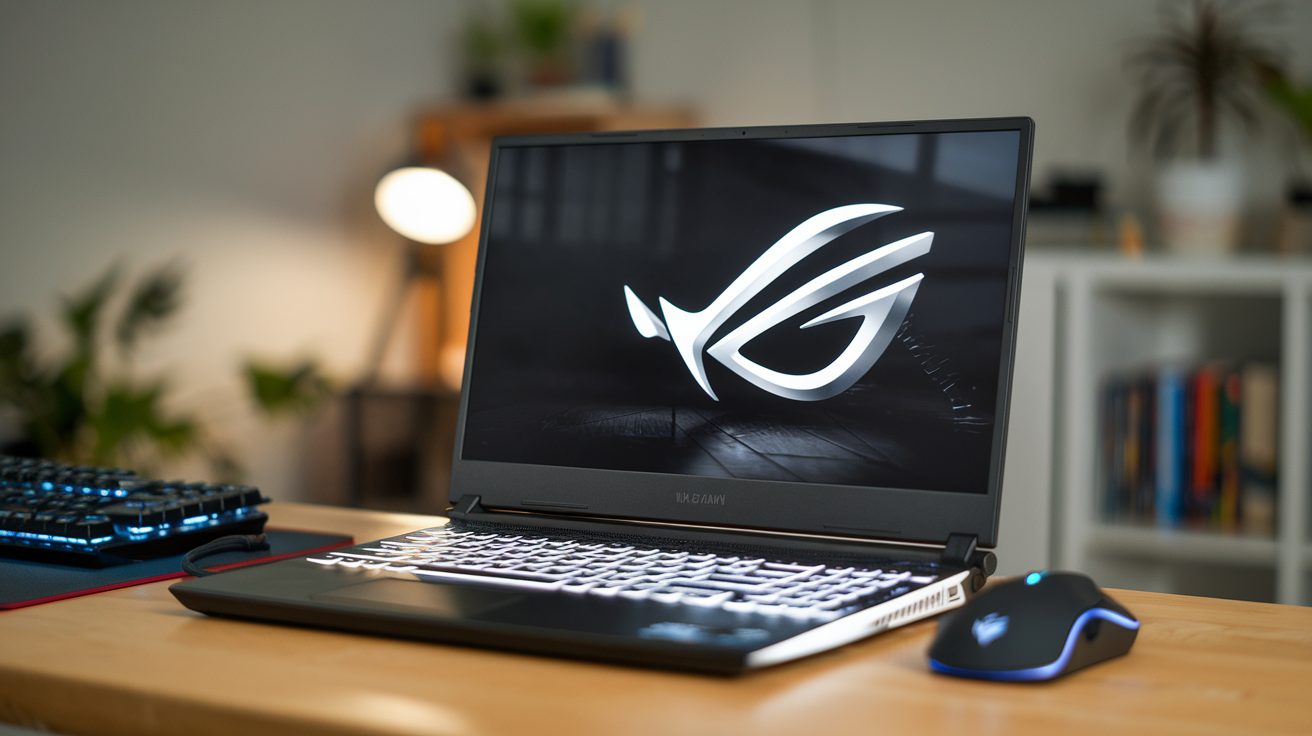
The gaming laptop market has undergone a dramatic transformation in recent years, and 2025 marks a pivotal moment where portable gaming machines rival their desktop counterparts in performance while maintaining unprecedented mobility. As remote work blurs the lines between productivity and entertainment, gamers are increasingly seeking devices that can handle both spreadsheets and high-frame-rate gaming sessions without breaking a sweat.
Industry analysts report that gaming laptop sales have surged by 23% year-over-year, with manufacturers pushing boundaries in thermal management, display technology, and battery efficiency. The modern gaming laptop is no longer the bulky, loud machine of yesteryear—it’s a sophisticated piece of engineering that balances power with practicality.
The Evolution of Mobile Gaming Performance
Today’s gaming laptops feature cutting-edge components that were unthinkable just a few years ago. NVIDIA’s latest mobile GPUs deliver performance that matches previous-generation desktop cards, while AMD and Intel continue their fierce competition in the CPU space, ultimately benefiting consumers with more powerful and efficient processors.
What sets 2025’s lineup apart is the focus on holistic user experience rather than raw specifications alone. Manufacturers have finally learned that gamers want more than just high frame rates—they demand quality displays, comfortable keyboards, effective cooling systems, and designs that don’t scream « gamer » in every professional setting.
The integration of AI-powered features has also become standard, with smart cooling systems that adjust fan speeds based on workload, and upscaling technologies that allow gamers to enjoy higher visual fidelity without sacrificing performance. These innovations make gaming laptops more versatile than ever before.
Size Matters: From Ultraportable to Desktop Replacement
The gaming laptop spectrum now spans from sleek 14-inch ultraportables weighing under four pounds to massive 18-inch behemoths that serve as legitimate desktop replacements. Each category serves distinct user needs, and understanding these differences is crucial for making an informed purchase decision.
Compact Gaming Machines
Ultraportable gaming laptops have emerged as the surprise hit of the market. These devices typically feature 14 to 15-inch displays and weigh between 3.5 and 4.5 pounds, making them genuinely portable for daily commutes or frequent travel. Despite their compact footprint, many pack mid-range GPUs capable of running modern titles at respectable settings.
The trade-offs are real but manageable. Battery life under gaming loads remains limited, and thermal constraints mean these machines won’t match their larger siblings in sustained performance. However, for gamers who prioritize mobility and play less demanding titles or esports games, these compact warriors deliver exceptional value.
The Sweet Spot: 16-Inch Models
The 16-inch form factor has become the industry standard for good reason. These laptops offer an ideal balance between screen real estate, performance headroom, and reasonable portability. Most weigh between 5 and 6.5 pounds, which is manageable for occasional transport while providing enough internal volume for robust cooling solutions.
Manufacturers reserve their best technology for this segment, equipping 16-inch models with high-refresh-rate displays, top-tier GPUs, and premium build quality. For gamers who want a primary gaming machine that can occasionally travel, this category represents the sweet spot in the market.
Desktop Replacement Titans
At the extreme end sit 17 and 18-inch gaming laptops that prioritize performance above all else. These machines are portable only in the technical sense—they’re heavy, require substantial power adapters, and demand a proper surface for optimal cooling. However, they offer uncompromising performance that rivals high-end gaming desktops.
These desktop replacements appeal to users who need maximum performance but can’t commit to a stationary setup, whether due to space constraints, frequent moves, or simply preferring an all-in-one solution. The latest models feature mechanical keyboards, advanced cooling with multiple fans and heat pipes, and display options that include 4K panels with mini-LED backlighting.
Key Features Driving Purchase Decisions
Beyond size and raw performance, several factors have become critical differentiators in the gaming laptop market. Understanding these features helps consumers identify which machines truly meet their needs versus those simply boasting impressive specification sheets.
Display Technology Breakthroughs
Screen quality has improved dramatically, with high refresh rates becoming standard even on mid-range models. Many gaming laptops now offer 165Hz or even 240Hz displays, providing buttery-smooth gameplay in competitive titles. Color accuracy has also improved, with many panels covering 100% of the sRGB color space and some extending into DCI-P3 territory.
The emergence of OLED panels in gaming laptops represents a significant leap forward. These displays offer perfect blacks, incredible contrast ratios, and vibrant colors that make games look spectacular. The main concerns—burn-in and battery life—have been largely mitigated through software protections and improved panel technology.
Thermal Management Innovation
Effective cooling separates great gaming laptops from merely good ones. The latest thermal solutions employ vapor chambers, liquid metal thermal compounds, and sophisticated fan designs that maximize airflow while minimizing noise. Some manufacturers have even implemented phase-change cooling systems typically reserved for high-end desktops.
Smart thermal management extends component lifespan and maintains consistent performance during extended gaming sessions. Buyers should prioritize laptops with proven cooling solutions, as thermal throttling can significantly impact real-world gaming experience regardless of on-paper specifications.
The Price-Performance Equation
Gaming laptops span an enormous price range, from budget-friendly options around $800 to premium machines exceeding $4,000. Understanding where to invest and where to compromise helps buyers maximize value for their specific needs and budget constraints.
Entry-level gaming laptops typically feature older-generation or mobile-specific GPUs paired with adequate processors and basic displays. These machines handle esports titles and older AAA games competently but struggle with the latest graphically demanding releases at high settings. For casual gamers or those primarily playing competitive multiplayer games, these represent solid value propositions.
Mid-range options between $1,200 and $2,000 deliver the best overall value. These laptops feature current-generation GPUs, fast processors, quality displays with high refresh rates, and solid build quality. They handle virtually all modern games at high settings and maintain relevance for several years, making them smart investments for serious gamers.
Premium gaming laptops justify their elevated prices through exceptional build quality, cutting-edge displays, maximum performance configurations, and premium features like per-key RGB lighting, advanced audio systems, and unique design elements. These machines appeal to enthusiasts who demand the absolute best and have budgets to match.
Looking Ahead: The Future of Mobile Gaming
The trajectory of gaming laptop development suggests even more exciting innovations on the horizon. Emerging technologies like improved battery chemistry promise longer gaming sessions away from outlets, while advances in display technology may bring higher resolutions and refresh rates to mainstream models.
The ongoing integration of cloud gaming services also changes the calculus for some users. High-speed internet connectivity enables gamers to stream demanding titles to less powerful hardware, potentially reducing the need for top-tier specifications. However, the latency and quality concerns inherent to streaming mean local hardware performance remains crucial for serious gaming.
As gaming laptops continue evolving, the line between mobile and desktop gaming experiences grows increasingly blurred. The machines available in 2025 represent the culmination of years of engineering refinement, offering unprecedented performance in truly portable packages. For gamers seeking freedom from desk-bound setups without sacrificing gaming prowess, the current generation delivers options for every need and budget.